Visual Identity and Art Direction
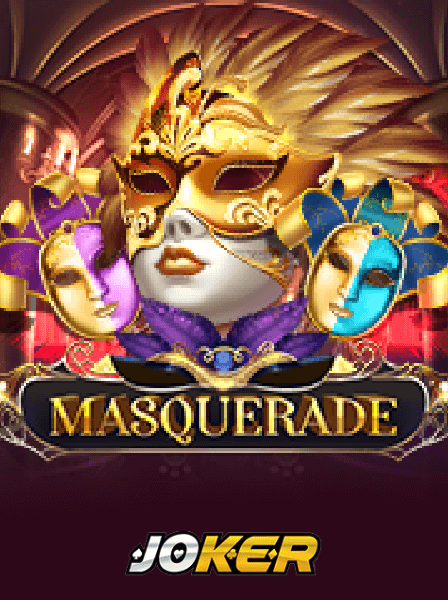
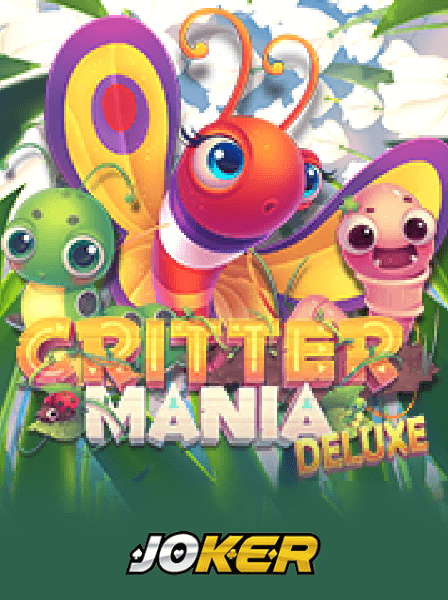
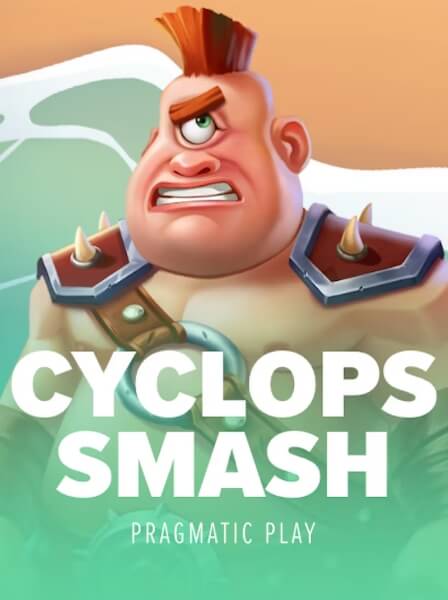
ThunderSlots’ visual identity is built from a careful balance of thematic clarity, symbol legibility, and dynamic spectacle. At the core of their art direction is a recognisable palette and iconography that communicates theme and value at a glance: high-value symbols often receive richer textures, metallic finishes, or glow effects, while low-value symbols are rendered with simpler shapes and flatter colors. This visual hierarchy supports fast comprehension during play, which is critical in slot design where players scan reels rapidly. The studio typically employs a layered approach to artwork—vector shapes for crisp scalability, hand-painted textures for warmth, and particle systems for transient visual bonuses like wins or free-spin triggers.
Animation plays a central role in maintaining perceived excitement without overwhelming the user. ThunderSlots uses short, high-impact animations (0.2–0.8 seconds) for reel stops and symbol wins, combined with longer, cinematic sequences for progressive jackpots or bonus rounds. These animations are authored with performance in mind: optimized sprite sheets, GPU-accelerated particle effects, and careful use of post-process bloom to highlight wins while preserving contrast for symbol recognition. Visual transition design—how the game moves between base play, bonus rounds, and payout screens—follows a consistent motion language that reinforces brand personality, whether that’s energetic and flashy or elegant and mysterious.
Art direction also considers platform constraints. On mobile, the UI must remain legible and tactile, so ThunderSlots scales down non-essential decorative elements and increases symbol contrast. On desktop and large screens, they introduce more elaborate backgrounds and subtle parallax to enhance immersion. Finally, the studio iteratively tests iconography with user groups to ensure cultural readability and to avoid misinterpretations, adapting colors and symbolism for localized releases while keeping the core visual identity intact.
Audio Design and Musical Themes
Soundtrack and SFX in ThunderSlots are designed to do more than fill silence; they guide attention, create anticipation, and reward interactions. The audio strategy typically starts with a sonic logo—a brief, memorable motif that anchors the brand acoustically across games. From there, designers craft layered musical themes that can adapt to gameplay states: a steady, unobtrusive rhythm for base play, a rising harmonic progression during near-miss sequences, and triumphant, full-spectrum orchestrations for big wins or jackpots. These layers are implemented through middleware like FMOD or Wwise to allow real-time mixing and crossfading based on game events.
Tempo and instrumentation are chosen to modulate arousal levels: mid-tempo grooves (90–120 BPM) keep play engaging without causing fatigue, while faster tempos and percussive buildups are reserved for tense or rewarding moments. Harmonic choices—major keys for celebratory outcomes, modal or minor inflections for suspense—work in tandem with dynamics to shape player emotion. Sound effects are intentionally short and informative: a crisp metallic click for reel stop, a warm thump for credit collection, and a rising sweep for an incoming bonus. Importantly, these SFX are designed with a frequency split so they remain audible over the music; low-frequency bass patches are often sidechained or ducked when critical SFX need prominence.
Adaptive audio techniques are key: instead of one static soundtrack, ThunderSlots employs procedural layering where additional instruments are introduced as volatility increases, or where a heartbeat-like bass element is added in high-tension bonus rounds. Compression and careful mastering ensure mix clarity across devices, while file size constraints are handled by using short loopable stems and codec-appropriate compression. For licensed music or themed IPs, the audio team balances recognizability with original composition, often recreating the emotional arc of a known tune while ensuring it loops and evolves smoothly for potentially long session lengths.
User Interface, Feedback, and Accessibility
User interface (UI) design in ThunderSlots is less about ornamentation and more about making the mechanics transparent and the outcomes satisfying. A primary UI objective is clarity: paytables, bet levels, paylines, and RTP indicators must be discoverable without breaking the flow of play. ThunderSlots accomplishes this with context-sensitive overlays—tapping an icon expands a concise paytable or rule description while dimming the background game. Button placement follows thumb-zone ergonomics on mobile and reduces accidental taps for critical controls like spin, auto-spin, and max-bet. Visual affordances (raised buttons, micro-shadows) and consistent iconography help players form muscle memory quickly.
Feedback systems are multilayered: visual pulses, haptic taps, and short audio cues combine to reinforce actions and outcomes. For example, pressing spin may produce a tactile vibration, a short whoosh sound, and a visual press animation; landing a win adds confetti particles, a brief musical flourish, and an incremental credit count animation. These multimodal cues are tuned to be satisfying without being intrusive, and their intensity is tied to win magnitude to avoid desensitization. ThunderSlots also implements progressive reward pacing—smaller frequent wins provide variable reinforcement while rare large wins have more elaborate audiovisual celebrations.
Accessibility is integrated into UI and audio design. High-contrast modes, scalable fonts, and simple icon alternatives support visual accessibility, while audio captions and adjustable SFX/music sliders accommodate hearing preferences. Subtitles for critical audio events (e.g., "Bonus Triggered") can be toggled, and colorblind-friendly palettes are provided to maintain symbol differentiation. Additionally, the studio conducts playtests with diverse user groups to identify pain points: small hit areas, ambiguous symbols, or confusing transitions. Data from telemetry—session length, drop-off points, and error rates—feeds iterative UI adjustments to improve discoverability and reduce friction.

Narrative Integration and Brand Cohesion
Narrative integration in ThunderSlots isn’t about telling long stories; it’s about establishing consistent worlds that make spins feel meaningful. Each game theme—whether ancient mythology, futuristic heist, or tropical adventure—has a coherent visual and sonic vocabulary that informs everything from symbol design to bonus mechanics. Narrative hooks often manifest as progressive unlocks or episodic bonus rounds where players discover new characters, locations, or artifacts. This layered progression fosters attachment by giving short-term wins a longer-term context, encouraging players to return to see how the story evolves.
Brand cohesion extends beyond individual games to marketing, lobby presentation, and cross-promotional events. ThunderSlots ensures that the same visual motifs and musical signatures recur across titles: a similar color accent or a recurring melodic interval keeps the portfolio recognisable. Seasonal events and live-ops content borrow the core assets and adapt them—adding holiday overlays, remixing soundtracks, or introducing limited-time characters—while preserving the original brand DNA. This modular approach maximizes reuse and maintains a fresh player experience without fragmenting identity.
Narrative design also respects regulatory and ethical constraints for gambling-related products. The storytelling serves to enhance engagement, not obscure odds or encourage risky behavior. In practice, that means making RTP and betting information accessible and designing reward schedules that avoid predatory mechanics. The creative team collaborates with product and compliance departments to ensure promotional content and audiovisual reinforcements don’t mislead players about potential outcomes. Finally, analytics are used to measure the impact of narrative elements on retention and lifetime value: A/B tests compare different reward pacing, soundtrack variations, or thematic hooks to find the balance that drives healthy engagement while maintaining trust and brand longevity.